هدد القائد الأميركي دونالد ترامب باغتيال المرشد الإيراني علي خامنئي، مدعاًا إيران بالاستسلام غير المشروط، ما أثار تساؤلات حول تداعيات هذه التهديدات على الأزمة بين البلدين. وفي وقت يزداد فيه التوتر، نوّهت إيران أنها لن تتنازل، حيث وصف خامنئي التصريحات الأميركية بأنها بداية معركة. ولفت المسؤولون الإيرانيون إلى أن لديهم خططًا لحماية القيادة في حال حدوث اغتيالات، داعين إلى الوحدة الوطنية لمواجهة التهديدات. يُعتقد أن هذه التصريحات تهدف إلى زرع الرعب بين المسؤولين الإيرانيين، لكنها قد تؤدي إلى نتائج عكسية وزيادة عزيمة طهران على مواجهة التحديات.
مراسلو الجزيرة نت
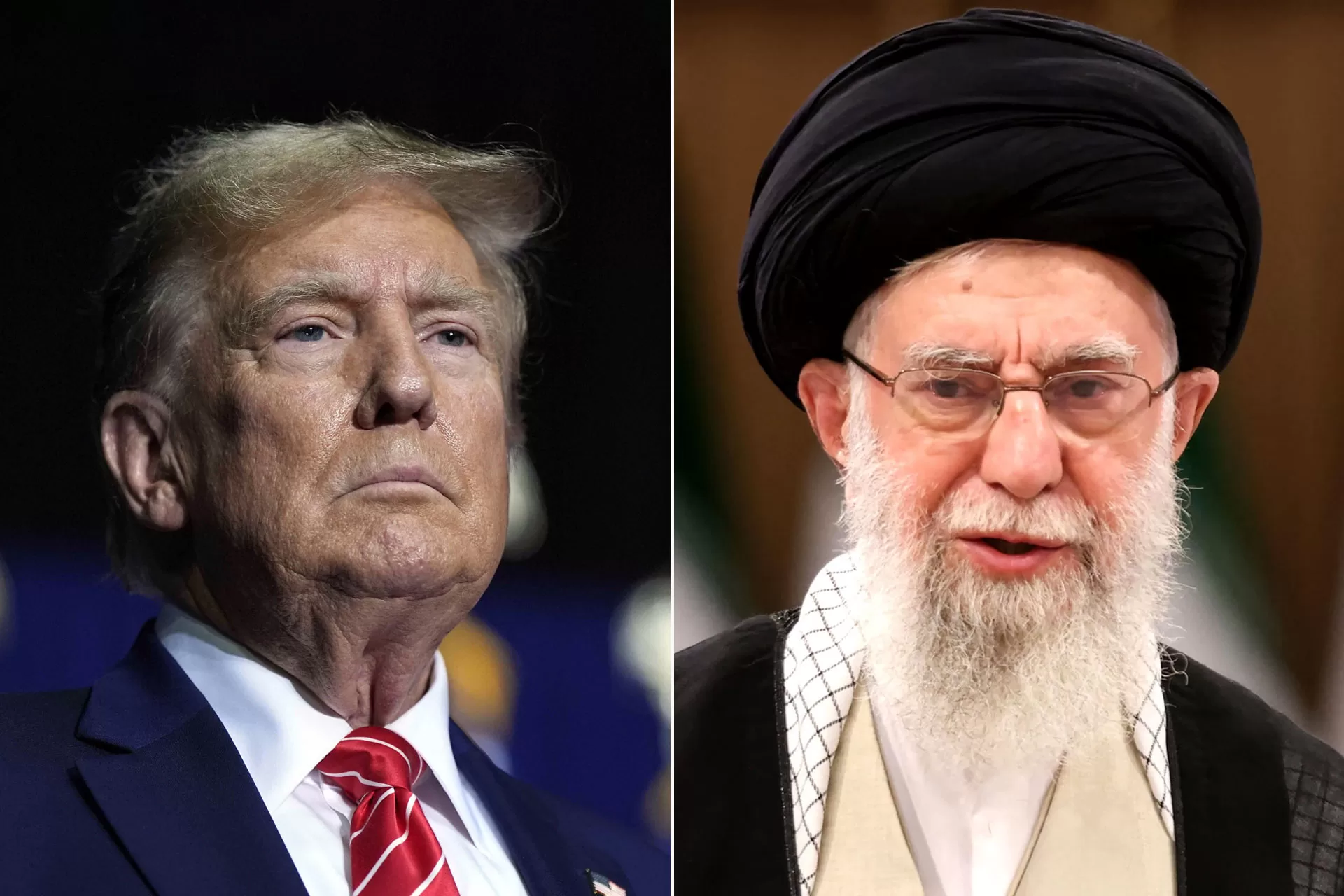
طهران- amid escalating speculations about Washington’s imminent involvement in the Israeli war against Iran, U.S. President Donald Trump threatened to assassinate Supreme Leader Ali Khamenei and demanded that Tehran surrender unconditionally, raising questions about the potential consequences of this American maneuver on the crisis and decision-making in Tehran.
Contrary to previous reports indicating that he had rejected an earlier Israeli plan to assassinate Khamenei due to fears of regional warfare, Trump described the Iranian leader as an “easy target,” noting in a post on his Truth Social platform yesterday that Washington “knows his exact hiding place, but does not intend to target him at this moment.”
As the U.S. military deploys additional strategic weapons to the Middle East, Trump warns in his post that “America’s patience is running out,” before calling on Iran to “surrender unconditionally,” in a second post published just three minutes after his threat to “take out” Khamenei, reflecting an escalation in American rhetoric.
غزوة خيبر
This implied threat comes after a series of assassinations executed by Israel since early Friday against numerous high-ranking military leaders and nuclear scientists in Iran, mirroring its usual strategy previously applied against military and political leaders in both Hamas and Hezbollah.
As Trump presents Khamenei with the choice of “unconditional surrender” or sliding into battle in support of Israel, he receives an immediate response from Khamenei, who asserted: “We will never compromise with the Zionists, and we must confront the terrorist Zionist entity with strength.”
In another post, Khamenei confirmed that what is occurring is merely “the beginning of the battle,” as he wrote early Wednesday on the X platform: “Ali returns to Khaybar brandishing his Zulfiqar sword,” referencing the Battle of Khaybar in the seventh year after Hijra, where Muslims triumphed and Ali ibn Abi Talib -may Allah be pleased with him- exhibited his bravery by conquering one of the fortresses.

In response, Iranian Chief of Staff General Abdul Rahim Mousavi stated that the country “will never surrender, and previous operations against the enemy were deterrent,” adding that Tehran will execute its punitive operations against it soon, urging inhabitants of the occupied territories -especially in Tel Aviv and Haifa– to leave for their safety.
The American threat against the leadership reached a boiling point, resulting in hundreds of Iranians gathering last night in Palestine Square in the capital to denounce it. Majid Sajadi, a former assistant to the Iranian Minister of Justice, deemed Trump’s threats an unprecedented violation of the foundational principles of international law, particularly the UN Charter, as its second article prohibits any threat of assassination or use of force against the political independence of any state.
According to the analytical news site “Bolten News,” Sajadi indicated that this also represents a blatant violation of the principle of international immunity for senior officials of independent nations, adding that this threat from the highest U.S. official makes it an act attributable to the state, resulting in its international liability.
إجراءات احترازية
Accordingly, the Islamic Republic must pursue the necessary legal and diplomatic avenues to address this act, including filing an official complaint with the International Court of Justice and calling for an emergency session of the Security Council to discuss the implications of the threat and hold the perpetrators accountable under international law, according to Sajadi.
He warned that silence regarding this threat would not only signal a green light for “internationally supported terrorism,” but would also sound the death knell for the global legal system.
To prevent potential vacuums arising from Israeli or American assassinations in Iran, Tehran announced a “ten alternates” plan to ensure continuity of leadership in the event of the assassination of any senior officials or military leaders, indicating the readiness of alternatives to handle any emergencies.
In this context, Iran has prohibited its officials from using mobile phones and communication devices after Israel launched a “widespread cyberwar” against its digital infrastructure, while Persian-language media has conducted a wide awareness campaign against what it views as a psychological war led by the “Zionist-American axis” against the Islamic Republic.
Tehran has also turned the threats from American and Israeli leaders into a tool for mobilizing the public, as Iranian politicians describe “national unity” as an existential necessity. These calls have resonated even among political opposition both domestically and in some exile communities, according to political researcher Ali Reza Taghvinia.
رفع العزيمة
In an interview with Al Jazeera Net, Taghvinia states that after being taken by surprise by the Israeli assassinations early last Friday, his country will not be caught off guard by any developments, as all scenarios have been considered, and preemptive solutions have been prepared for any emergencies. He emphasizes that the threat of assassinating Iranian officials aims to pressure them for concessions and undermine their morale.
The political researcher believes that the threats from Trump and Israeli Prime Minister Benjamin Netanyahu -who is wanted by the International Criminal Court for war crimes in Gaza- to assassinate the Iranian supreme leader are likely to result in consequences contrary to their intentions.
He questions, “Why do some believe Tehran does not take these threats seriously?” asserting that the threat of American involvement in the conflict or the assassination of the leader indicates Tel Aviv’s failure to achieve its objectives in waging war against Iran thus far, while he anticipates imminent U.S. involvement.
He continues that Tehran has established concrete plans to target American bases in the region and at sea, recently launching strategic missiles at the occupied territories to send a message of deterrence to the American side, affirming that the threat of assassinating Khamenei will bolster the Iranians’ resolve to confront and that what remains hidden of Iran’s weaponry is far greater than what the world has seen so far.